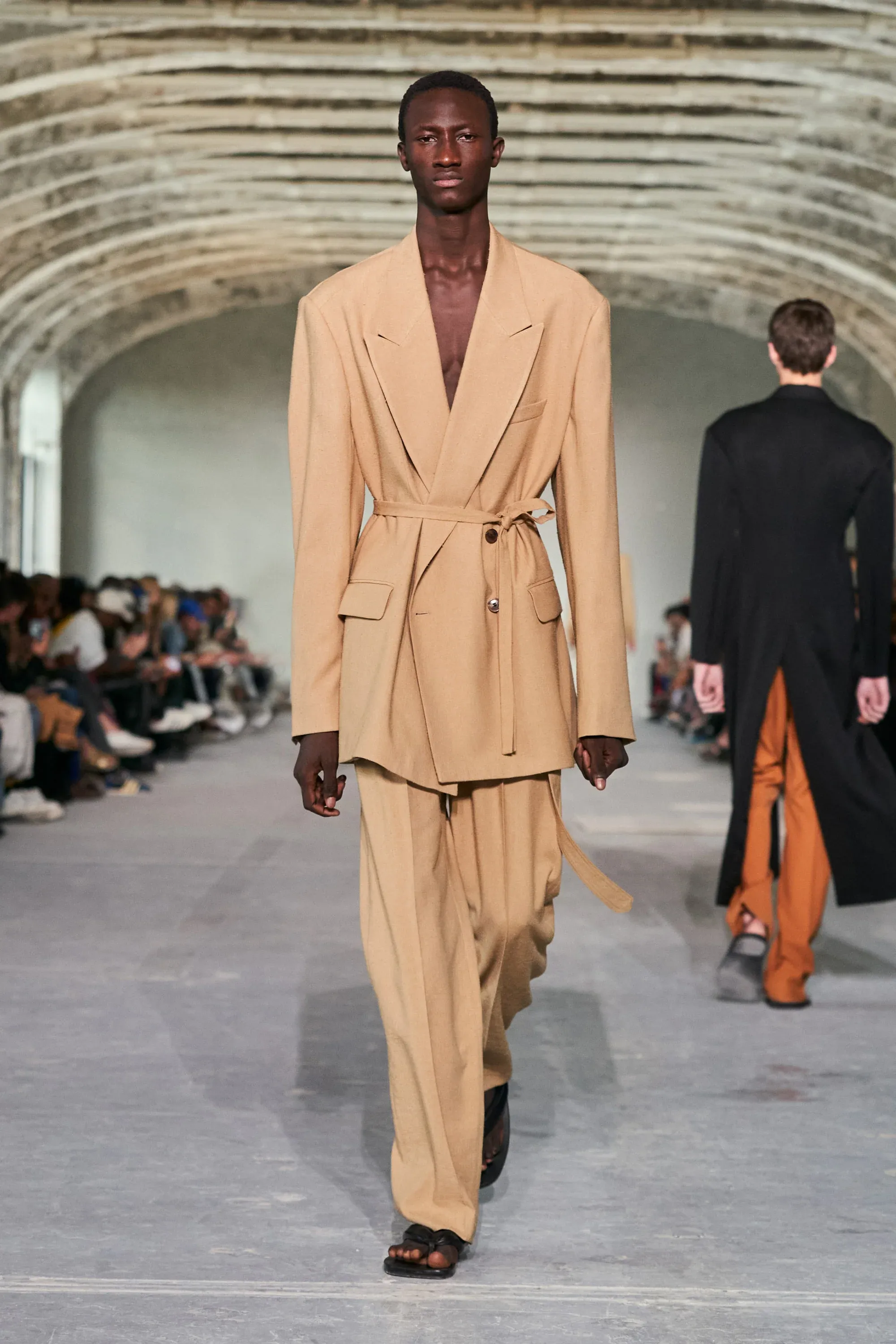
models are getting even thinner
yes, thinner than before
This article is brought to you by Ozempic® and Heroin™.
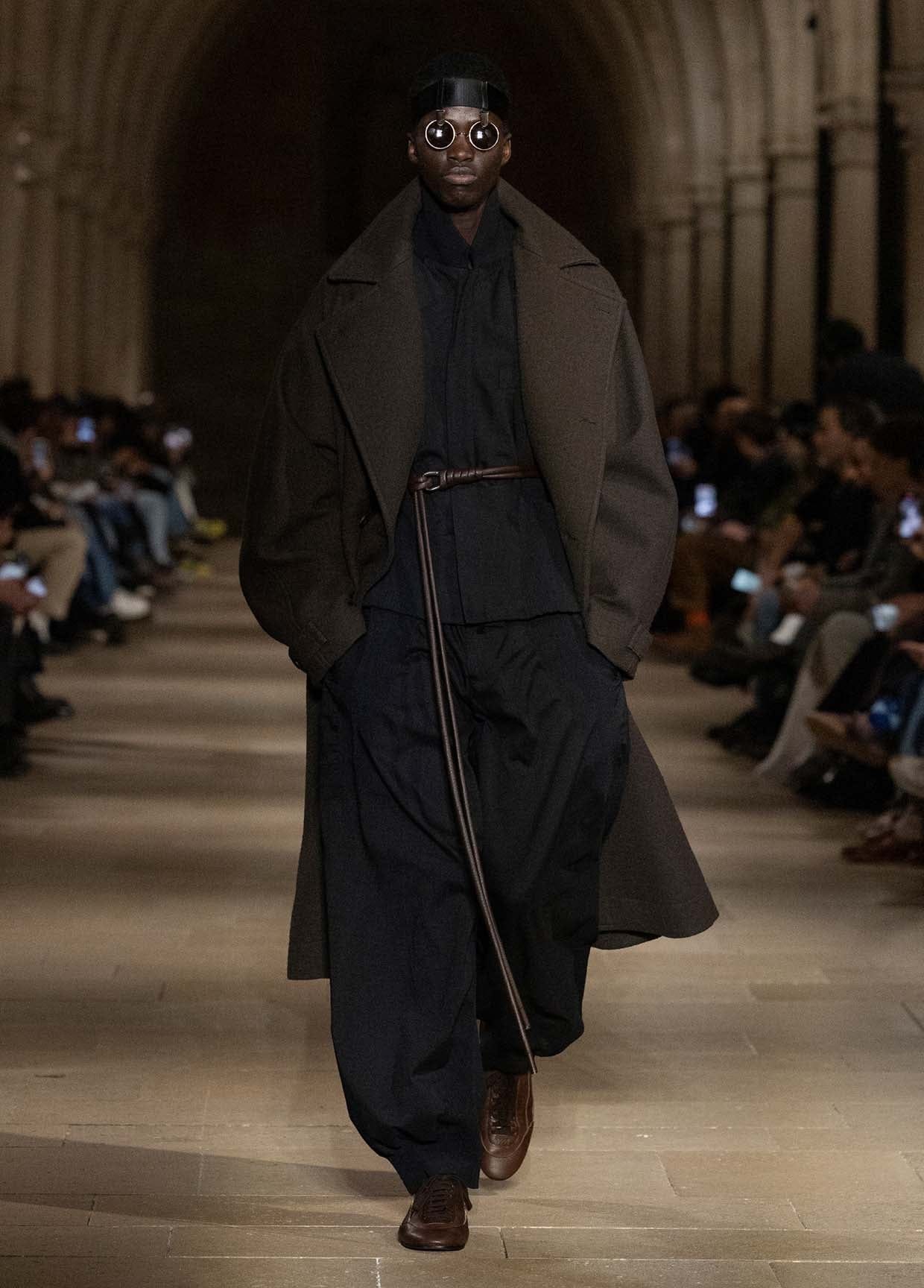
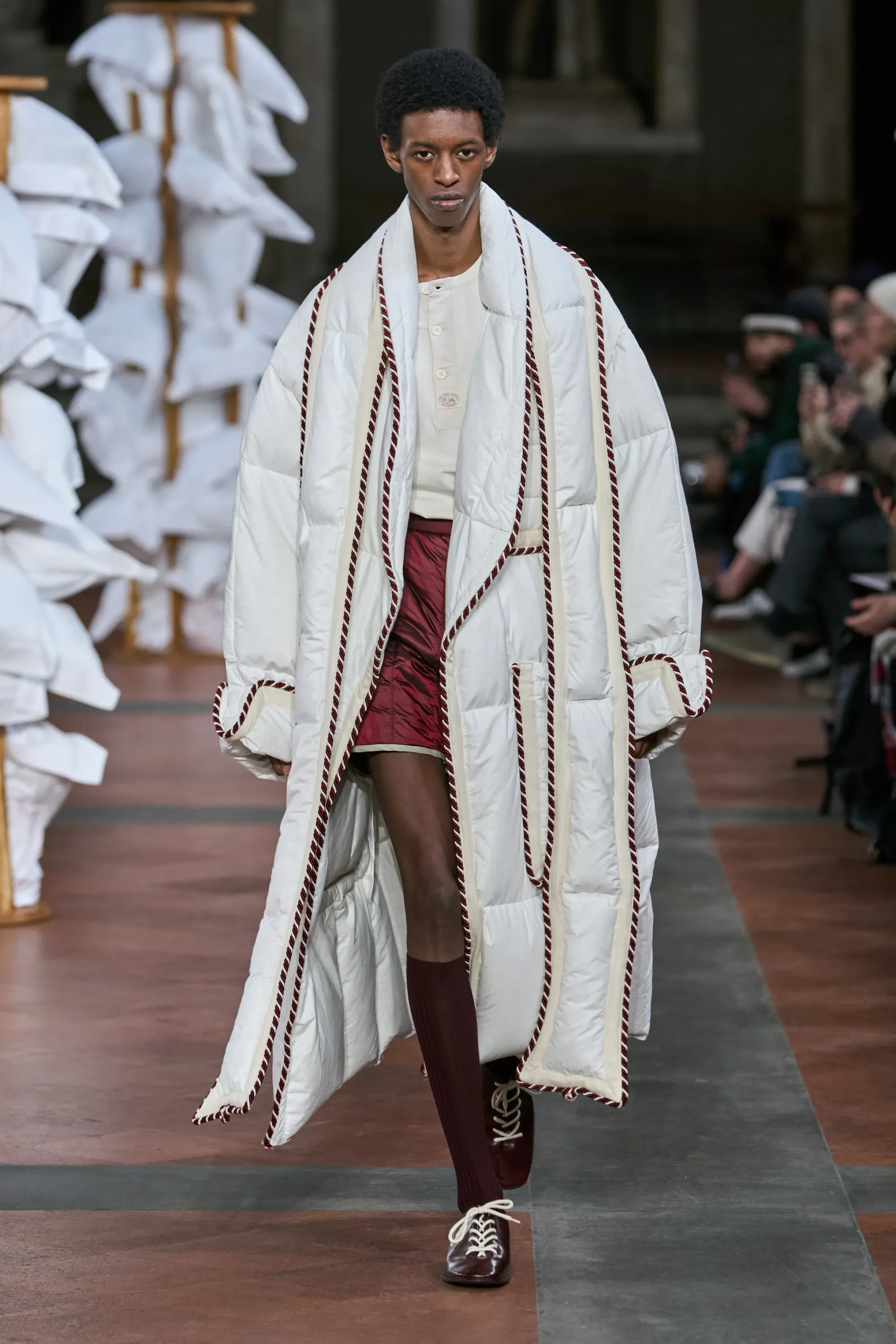
I was recently looking at looking at some recent footage of the fforme show, and while this isn't news, it really hit me, then and there: models are getting thinner. To be clear, I am not objecting to any particular model’s body type, or even to fforme specifically (partly because it’s not just them, but also because I know next to nothing about the brand). Rather, I’m writing to warn of a shift in the industry, and, with it, a shift in our culture.
If you looked at models in previous years, you would never have said they aren’t thin enough. It seems, at a certain point, that it’s really not a matter of brands thinking “our clothing looks best on thin bodies,” (a common idea, but not enough to explain what we see) or “thin models sell clothes because people think they’re hot,” (simple capitalist greed, bad but understandable) but, rather than any of that: thinness for the sake of thinness. One-upsmanship. Who has the thinnest models? Old-school thinking that models cannot be thin enough. That sucks.
We’ve been here before. “Heroin chic.”
For one, the models are torturing themselves to compete. They’re self-medicating—with everything from GLP-1s to Heroin and Coke—and developing eating disorders (I can’t tell you how many TV specials I’ve seen warning on that topic). It might not be individual cases of labor abuse—I’m not in a position to catch anybody telling anybody else to lose weight—but the community and market simply responding to the force of some collective shift. The casting agent’s gaze. (“the male gaze” and “the gaze” in general is not what influencers have recently been telling you it is.)

And then, of course, it’s bad for us, as a society. We’ve all heard stories of little girls growing up with horrible self-image because of the models they saw in magazines. Eating disorders, body dysmorphia, depression, widespread among billions of people, all because a few brands decided it was okay, on a whim.
We were fixing that. In 2017, both LVMH and Kering banned models below certain sizes, and also banned the use of models under the age of 16 for adult clothing. Before COVID hit, brands were including plus sized models and different body types. That representation is powerful. It helps people. It makes the world a better place. But there weren’t many plus sized models walking on runways, so when a few either got sick or consciously decided not to travel in the midst of the pandemic, most brands just decided they didn’t need that representation.
But they just stopped caring about representation. Dolce & Gabana somehow managed to cast 100 men for their show and every single one was white. That’s hard to do, even if you’re trying, isn’t it? There’s no way it happened by accident. This isn’t even new, those two have been awful for a very long time. They are shameless, and they’ve never faced real consequences for their overt bigotry. So why should any designer pretend to care about their models’ well-being or society at large?
Representation is not dead. In some ways, it’s thriving. Small brands still look for different body types to highlight. Sometimes big brands will do it for a small campaign. Now, I’m having trouble thinking of examples of that to link you to off the top of my head… gee, that’s odd, I guess it’s kind of rare. Runway fashion is, in many ways, the peak from which ideas and aesthetics trickle down, and this one is coming.
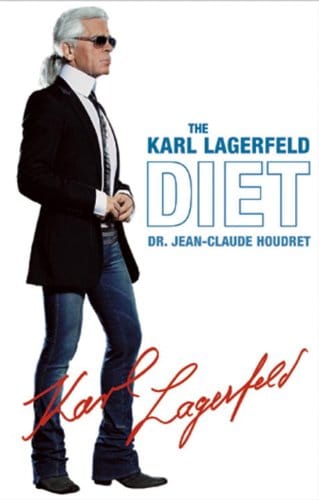
But this rat race, people seeing thinness as some kind of accomplishment… this is not good for anybody. May heaven have mercy on this industry. And fuck Karl Lagerfeld.